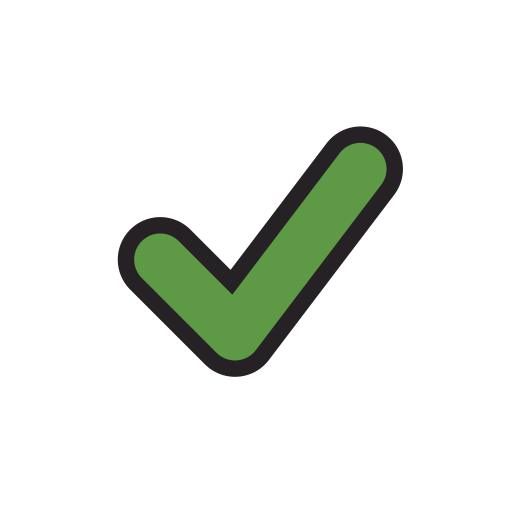
yes
About this symbol
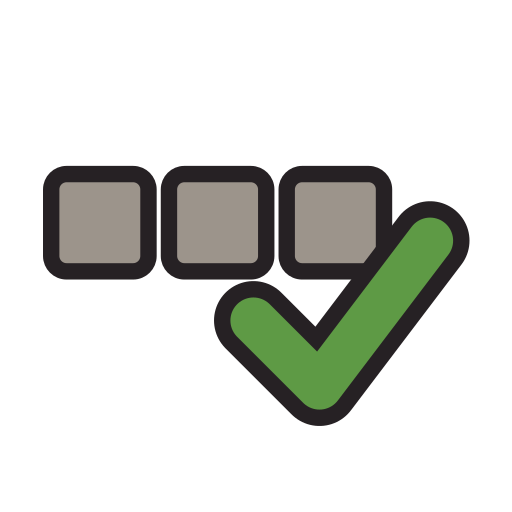
The existing native tick is retained as a learned affirmative-answer cue; shape distinguishes it from no without relying on colour.
FREE RESOURCES · CC BY 4.0
A free sample of 48 SpeakPad symbols for augmentative and alternative communication (AAC), everyday routines and visual schedules. Download, print and adapt them for your own materials.
No account needed. This 48-symbol sample is free to reuse with attribution. The rest of the SpeakPad symbol library remains proprietary.

PICTURES ARE JUST THE BEGINNING
Tap a picture to add it to the message bar. Then press the blue play button to hear your sentence, just like in SpeakPad.
Try I want → more → water
Try SpeakPad freeFor iPhone and iPad. Speaking is always free.
 SpeakPad INTERACTIVE PREVIEW
 Your sentence is empty.
Tap a picture to begin.
Free higher-quality voices in SpeakPad. This preview uses your browser’s voice. In the app, you can use Apple’s higher-quality voices with an optional free download in device Settings. Available voices vary by language.
This starter pack includes 48 concepts, transparent 512-pixel PNGs, editable SVGs and four skin tones where people are shown. The labels are in English; you can translate them or choose words that suit the person.
Use them on communication materials, visual schedules or activities. These pictures are a selection, not a complete communication system. Keep a person’s familiar symbols and full vocabulary available.
Skin-tone choices change pictures of people. Objects stay the same. The ZIP includes every variant.
Showing all 48 symbols
The existing native tick is retained as a learned affirmative-answer cue; shape distinguishes it from no without relying on colour.

The existing native cross is retained as a learned negative-answer cue; shape distinguishes it from yes without relying on colour.
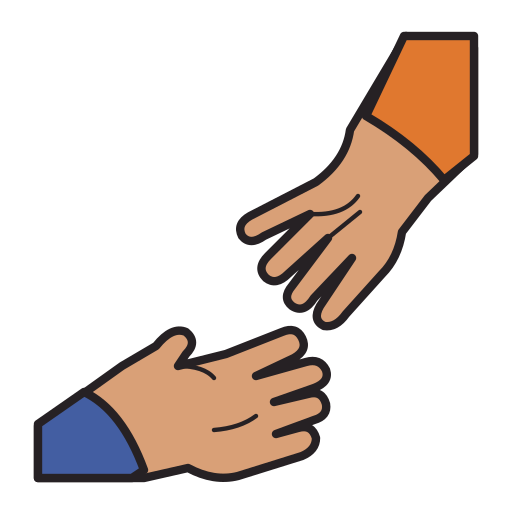
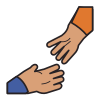
An offered open hand and a reaching hand depict assistance. An invitation to help rather than a restraining wrist grip.
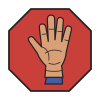
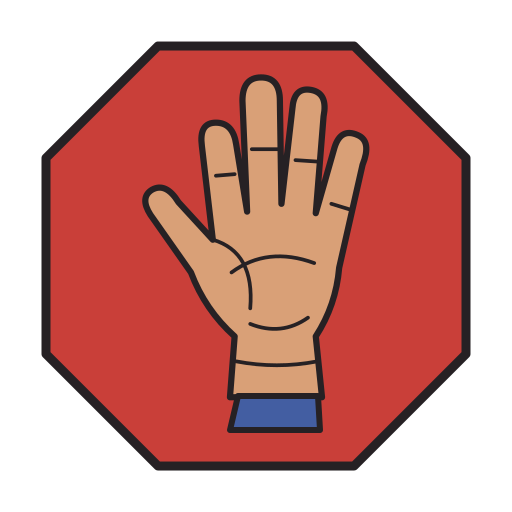
A raised open palm within an octagonal boundary communicates stop; a learned halt cue, without the former horizontal no-entry-like bar.
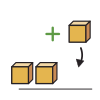
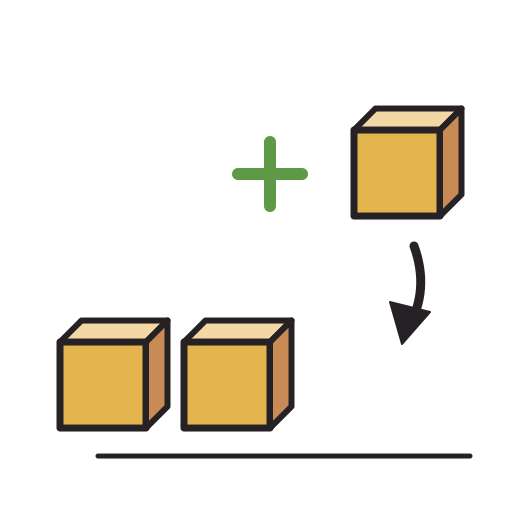
An additional matching block moves towards an existing group, with a plus cue; increased quantity rather than a larger object.

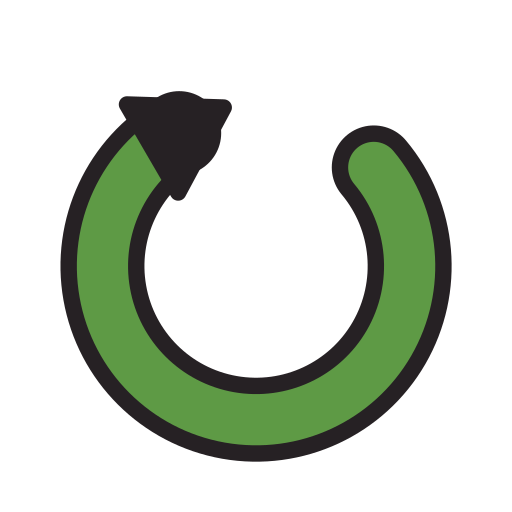
A circular arrow is retained as a learned cue for repetition or doing something again.

Completing an activity or reaching its end.
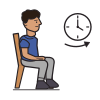
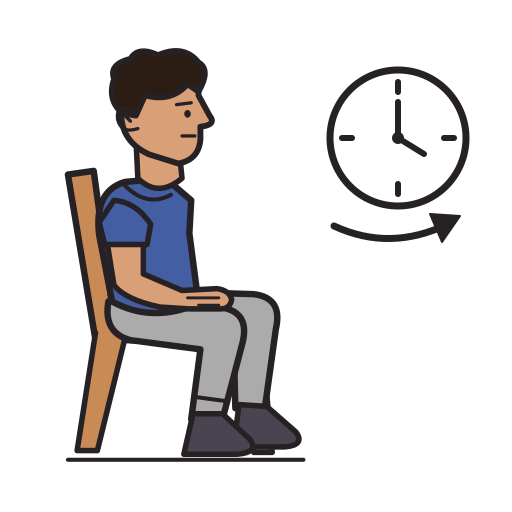
A seated person with a clock and passing-time arc represents waiting; a contextual time cue rather than a seated posture alone.
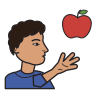
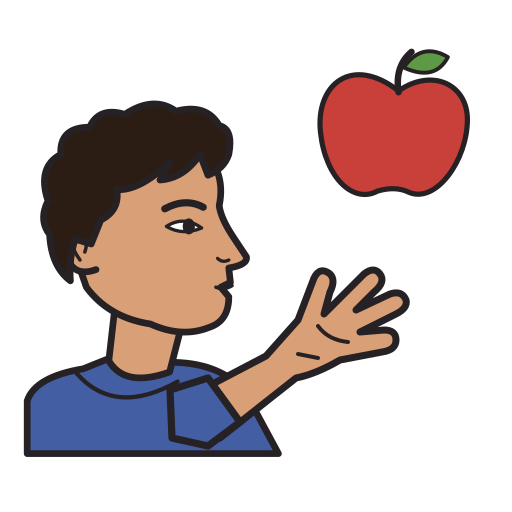
A person reaches towards an apple that remains out of reach; wanting rather than taking or eating.
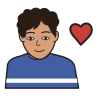
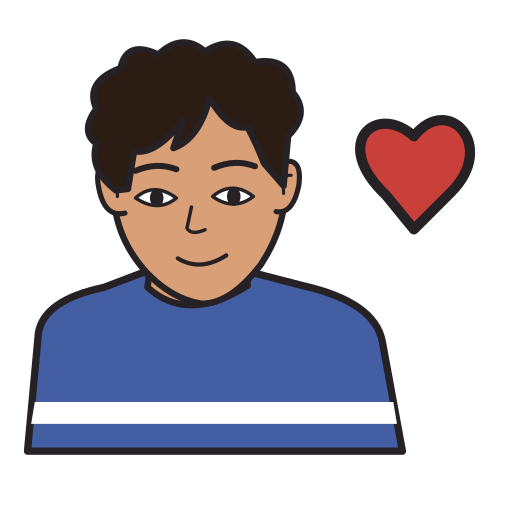
A warm expression and heart represent liking or enjoying something; preference rather than a general evaluation.
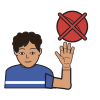
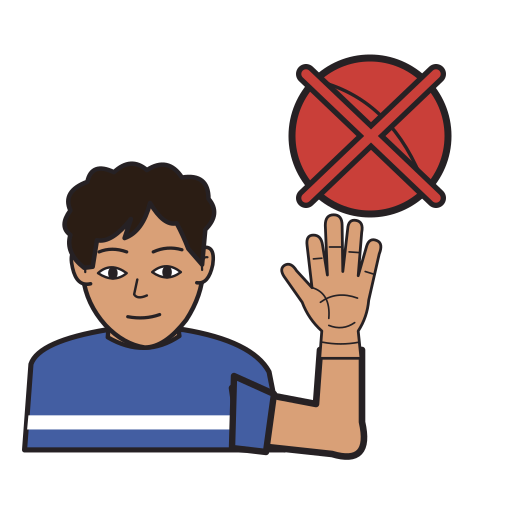
A ball is crossed out above a connected refusal palm beside the self portrait; refusing an offered object as one example of not wanting.

The existing pause button retained as a learned temporary-break convention; a break does not require leaving, sitting or stopping communication.
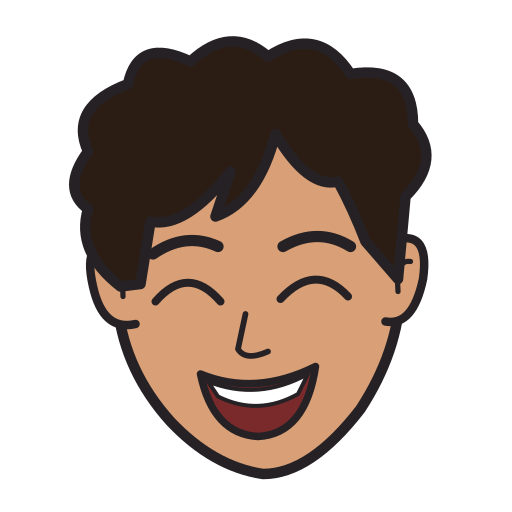
A natural face with smiling eyes and a broad smile expresses happiness.
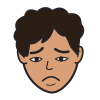
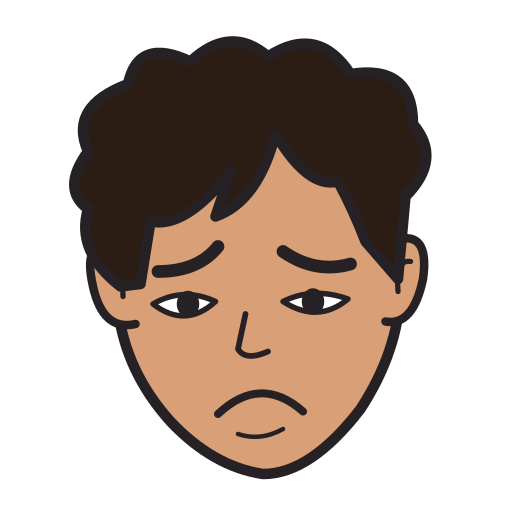
A natural face with raised inner brows, lowered eyes and a downturned mouth depicts sadness.
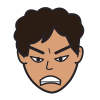
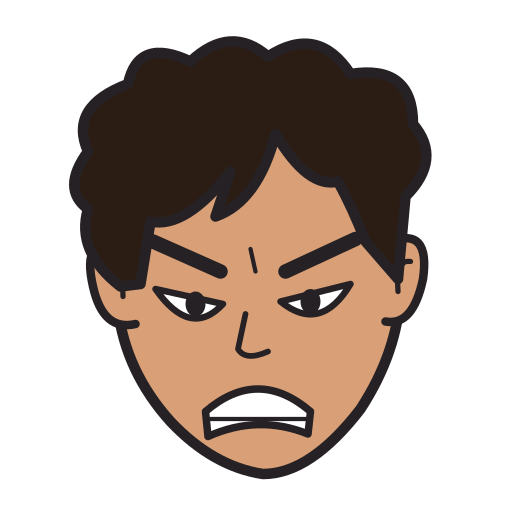
Drawn-in eyebrows and a tense jaw express anger, distinct from raised-inner-brow fear.
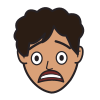
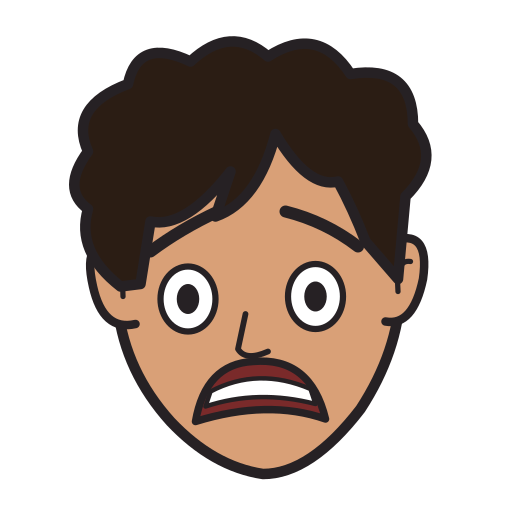
Raised inner eyebrows, wide eyes and a tense teeth-baring mouth express fear; compare the round mouth of surprise.
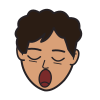
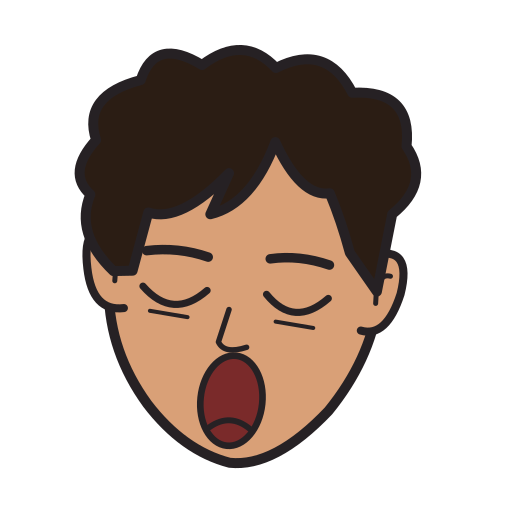
Lowered eyelids and a yawn express tiredness; distinct from the reclining sleeping person.
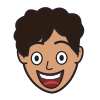
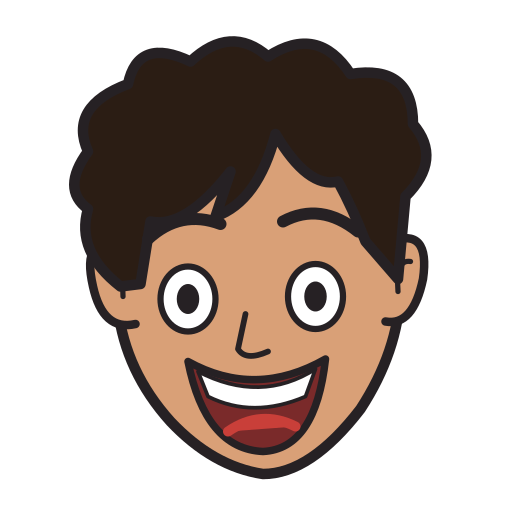
Wide eyes, lifted brows and an open smiling mouth depict excitement.
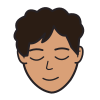
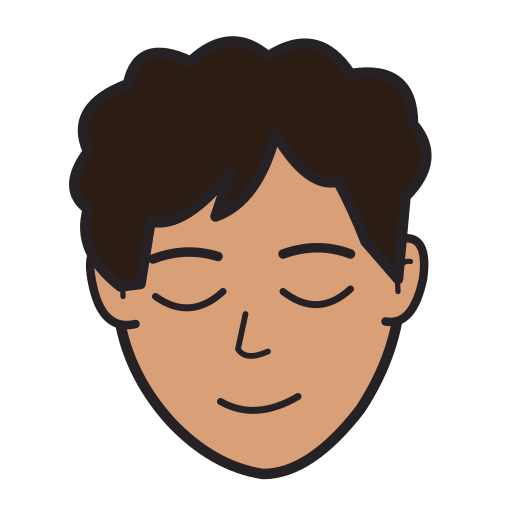
Relaxed closed eyes, level eyebrows and a slight smile depict calmness.
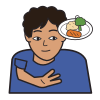
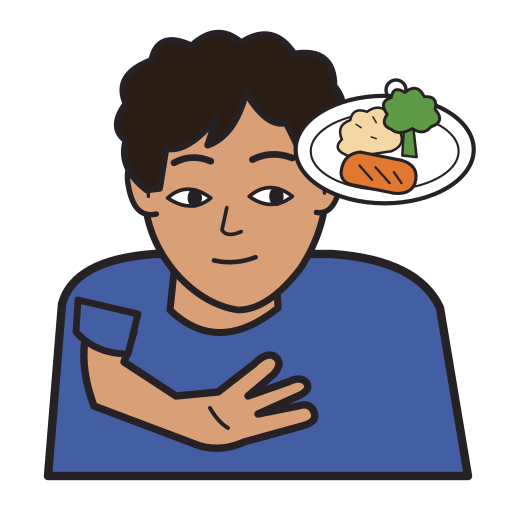
A person rests a hand over the abdomen and thinks of a meal. The meal distinguishes hunger from general discomfort.
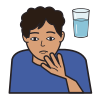
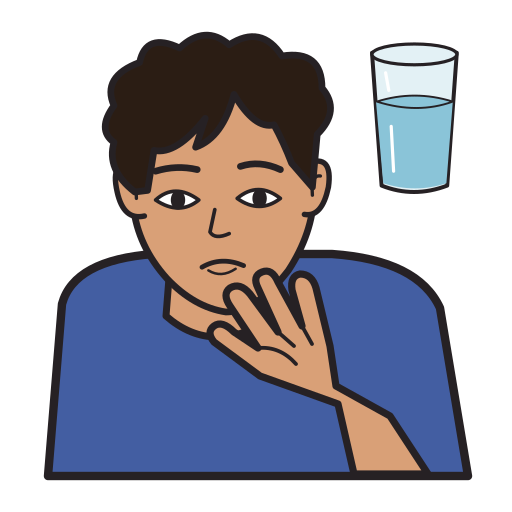
A person with a dry, slightly open mouth and a prominent water cue expresses the need to drink; compare sore throat.
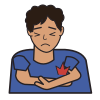
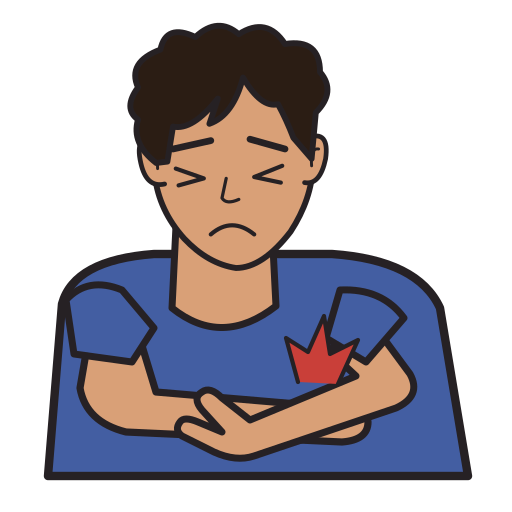
A wincing person supports a painful forearm, with a local pain mark. An example of physical hurt, not a restriction to arm pain.
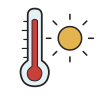
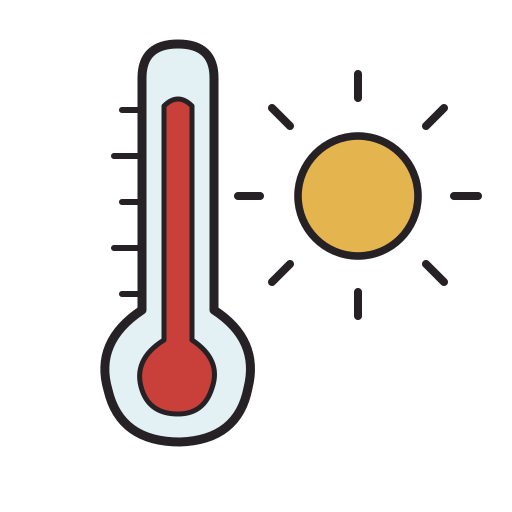
A high thermometer level and sun represent high temperature; the level carries meaning independently of colour.
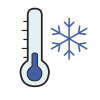
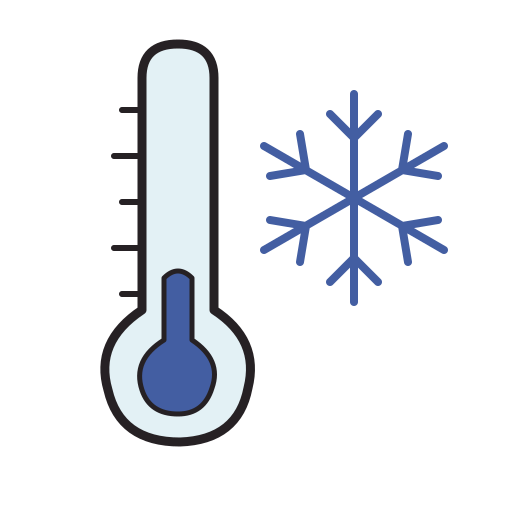
A low thermometer level and branched snowflake represent low temperature; compare the matching hot scale.
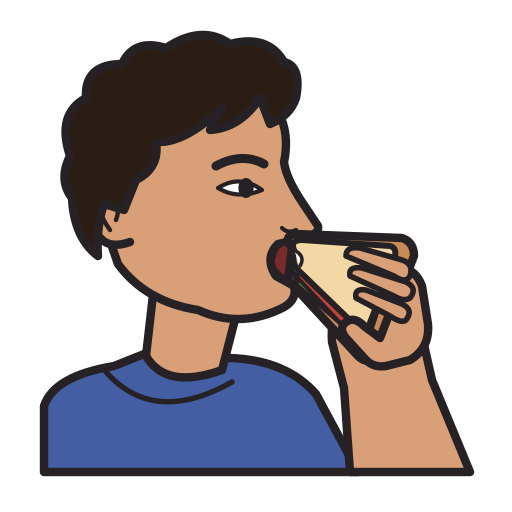
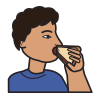
A person takes a bite of a sandwich; food meets an open mouth. Eating, not merely food or hunger.
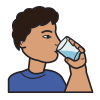
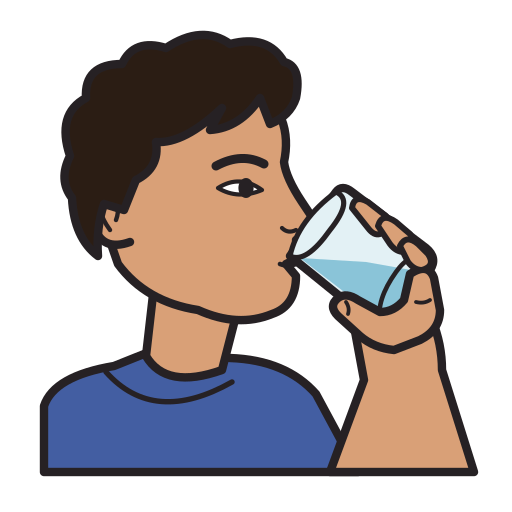
A person holds a glass to their lips; the action of drinking, distinct from water or feeling thirsty.
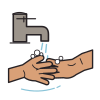
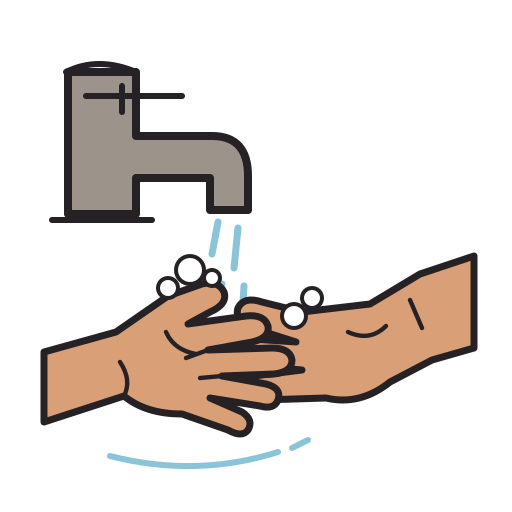
Two articulated hands rub together under water flowing from a tap, with sparse soap bubbles; handwashing as an example of washing.
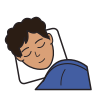
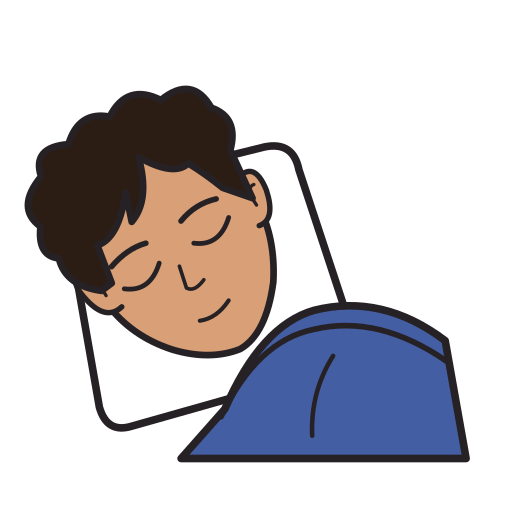
Closed eyes and a head resting on a pillow, with a blanket across the shoulder, depict sleeping.
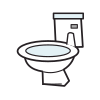
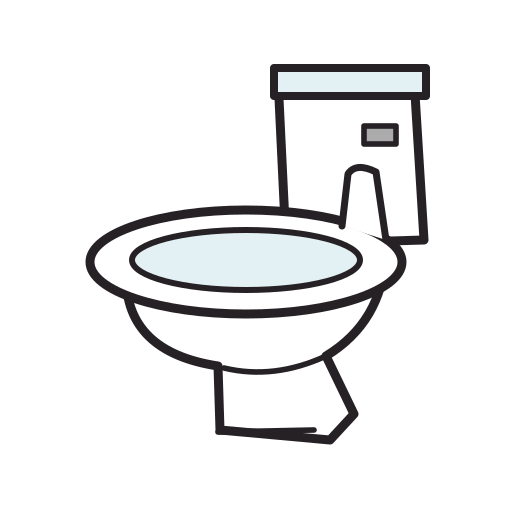
A western seated toilet with cistern, open seat, bowl and pedestal; the fixture rather than the action of toileting.

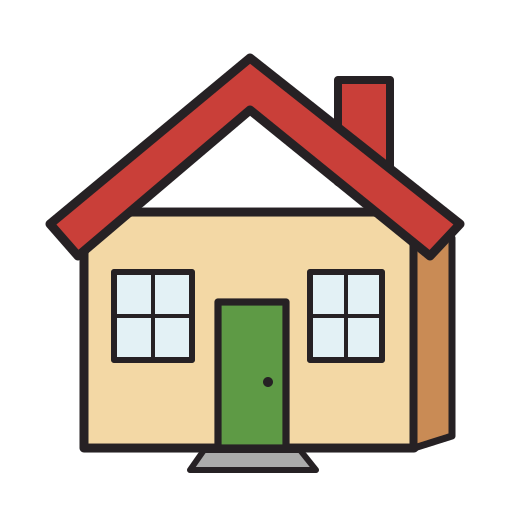
A house with a pitched roof, windows and door represents home; one housing example, not a universal definition.

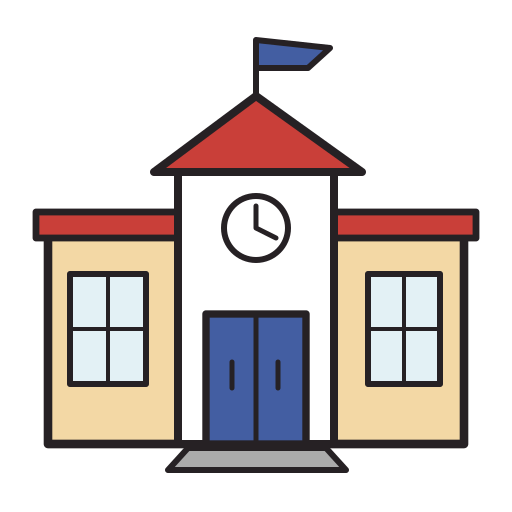
A broad school building with central entrance, clock and flag; a conventional school example, distinct from the smaller home.
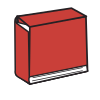
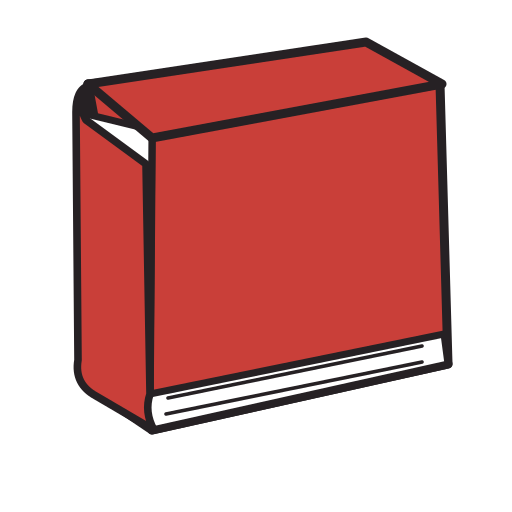
A closed bound book with a visible cover, spine and page edges; the object rather than reading.

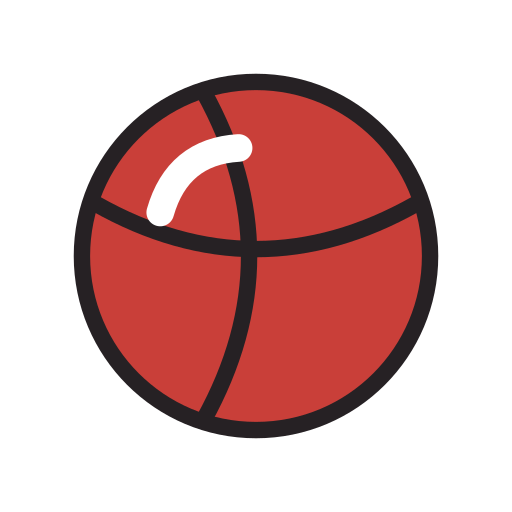
The existing native round ball and its curved seams, retained as an object example.
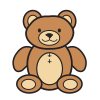
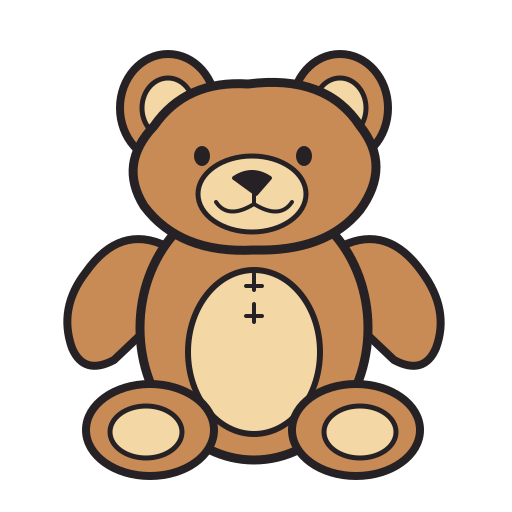
A seated stuffed bear with soft limbs, fabric pads and stitching; a toy rather than a bear head.
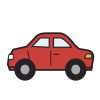
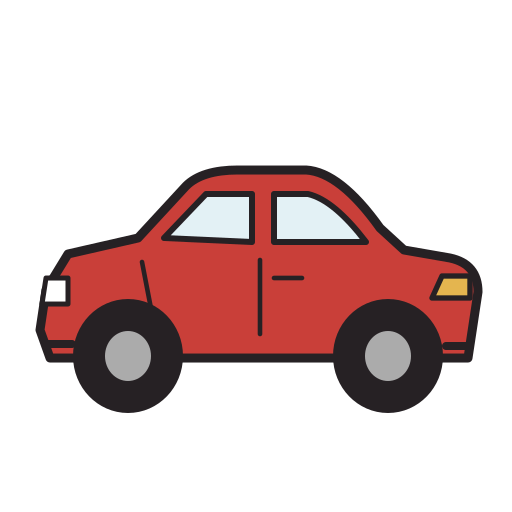
A passenger car in side view with cabin, separate windows, doors and two visible wheels.
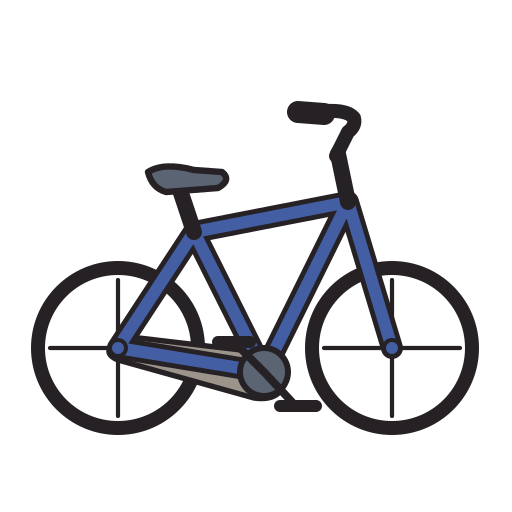
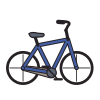
A pedal bicycle with two wheels, a triangular frame, saddle, handlebars and visible pedals.
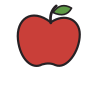
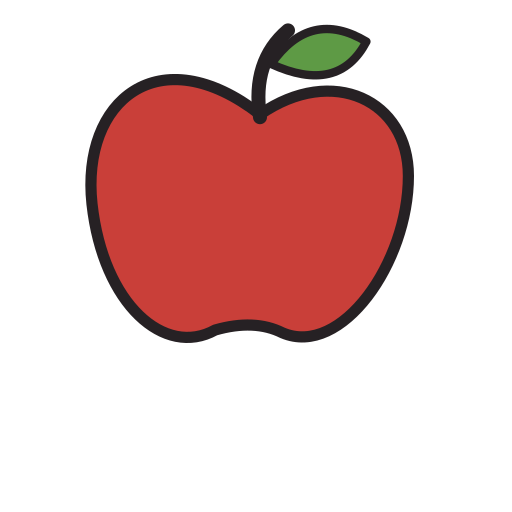
An apple with a cleft, stalk and leaf; the fruit rather than the broader category food.
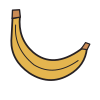
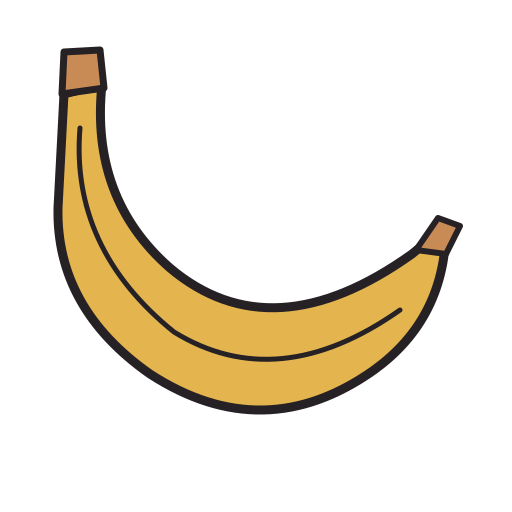
A curved unpeeled banana with stalk, blossom end and a long peel seam.
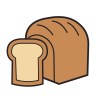
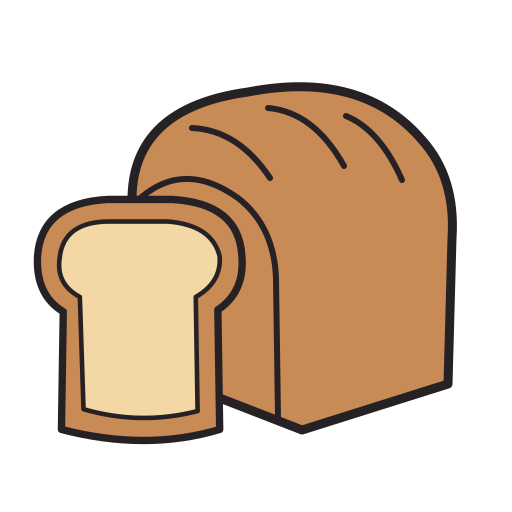
A loaf with a cut slice showing crust and crumb; bread rather than cake or a plain dome.
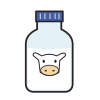
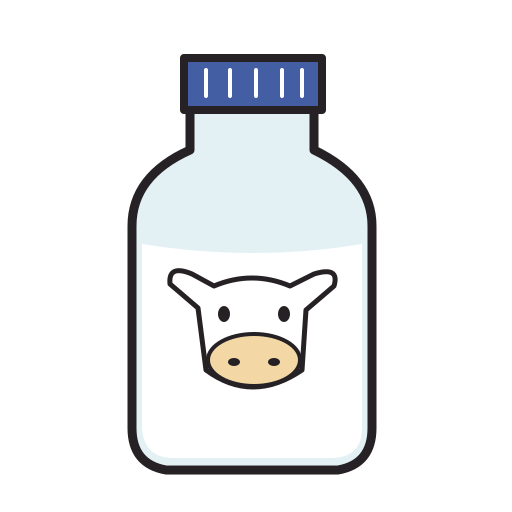
A capped bottle of white milk with a small cow-source cue; a dairy-milk example, with alternatives still possible.
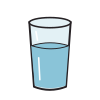
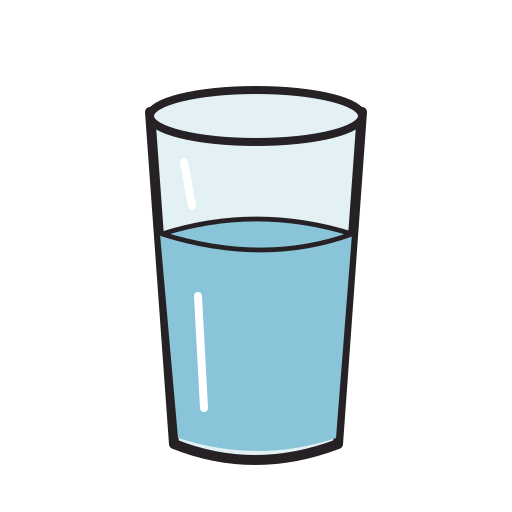
Clear water visible inside a glass, distinct from a person performing the action of drinking.
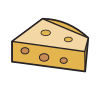
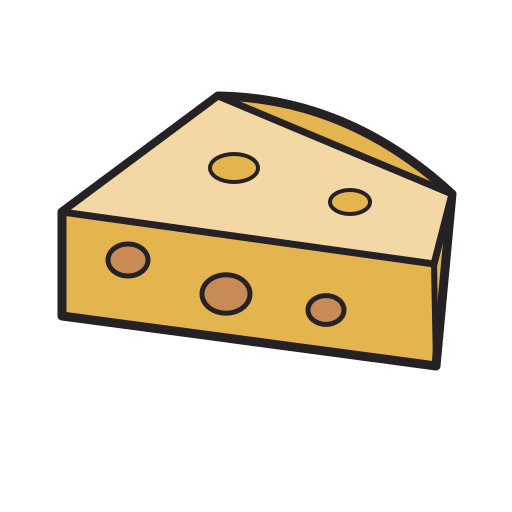
A cheese wedge with a visible cut face and holes; one cheese example.
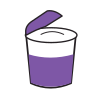
An opened yogurt pot with a peeled-back lid and visible creamy contents.
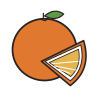
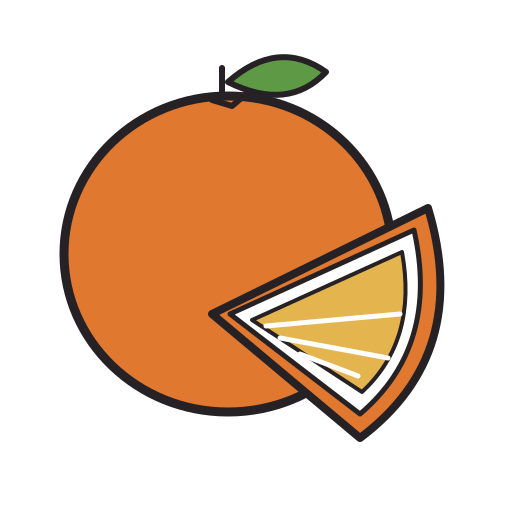
A whole citrus orange and a cut segment with pith and flesh; the fruit, separate from the existing colour concept orange.
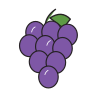
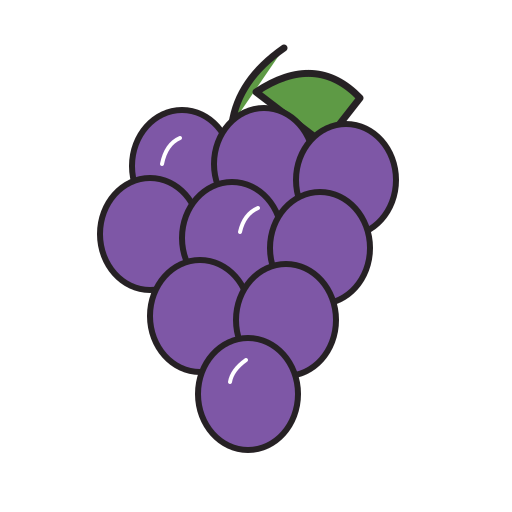
An attached bunch of oval grapes narrowing downwards, with a stalk and leaf.
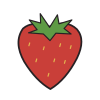
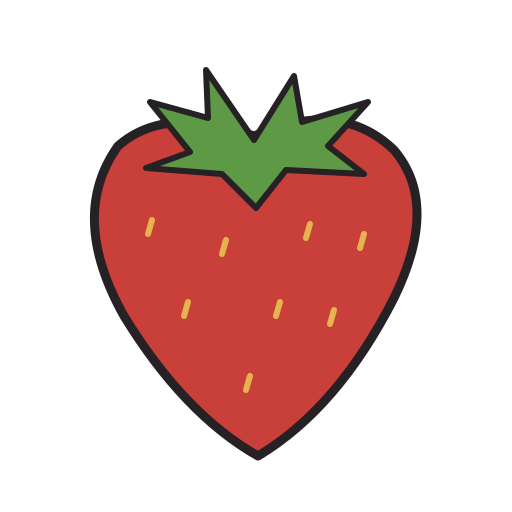
A tapered strawberry with leafy calyx and visible seeds.
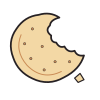
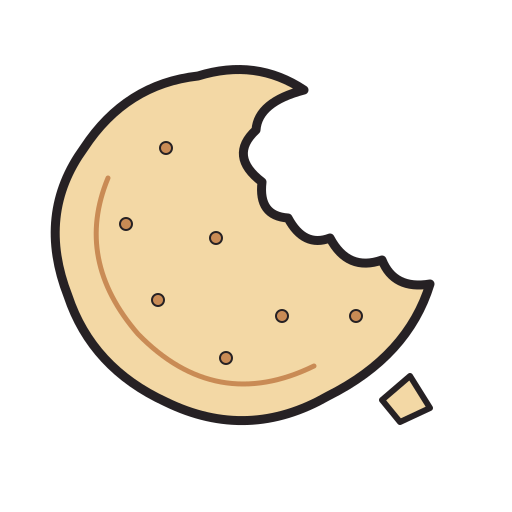
A plain sweet biscuit.

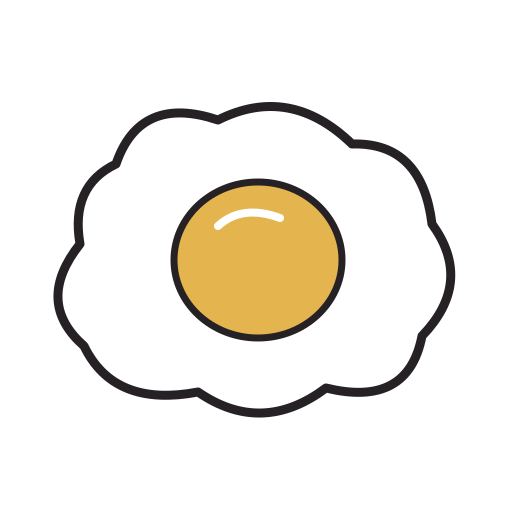
A fried egg with irregular white and rounded yolk; retains the existing cooked-egg example.
No symbols match. Try another word or choose “All topics”.
READY TO PRINT
Four A4 topic sheets cover communication, feelings and needs, everyday life, and food and drink. Each sheet has 12 labelled pictures. Choose a PDF below: every picture of a person uses the same skin tone throughout that file. Objects stay the same. Print a sheet or cut out individual pictures for your materials.
Some pictures need explanation or modelling. Change the label, choose a different picture or use a familiar photo when that communicates the meaning better.
For more printable resources, visit our communication boards. Those downloads carry their own licences.
This licence covers this starter pack only. The complete SpeakPad library, app and branding remain proprietary. Downloading this sample does not grant rights to those other materials.
This starter pack is available under Creative Commons Attribution 4.0 International (CC BY 4.0). You can copy, share, print, adapt and use it commercially, including in other apps. When you share it, give appropriate credit, link to the licence and indicate any changes.
Credit can go in your resource’s footer or credits page. It does not need to sit inside every picture. Here is a credit you can use:
SpeakPad Symbols by SpeakPad. © 2026 SpeakPad. speakpadapp.com/symbols. CC BY 4.0. Provided as-is, without warranties.
If you adapt the pictures, add a note such as “Labels translated; colours changed”.
The licence applies to the artwork, catalogue descriptions and printable sheets in starter pack 1.0.0, as listed in its file manifest. It does not license the SpeakPad app, other symbol collections or branding. Trademark rights are not granted, and use must not imply endorsement. ARASAAC and Mulberry artwork is not included in this pack.
Copyright ownership of the SpeakPad symbols is retained. CC BY 4.0 grants permission to reuse this pack and is irrevocable for recipients who comply with its terms. Read the full licence and pack notes.
Starter pack 1.0.0 · 48 concepts · English labels
Turn pictures into spoken words and sentences on iPhone and iPad. Speaking is always free; optional Pro tools help caregivers build and manage boards.